

Best way to make a group ski trip in Europe cheaper
Planning a cheap ski trip in Europe with friends? Where the money goes, which weeks to avoid, and how groups can cut costs without cutting the fun.
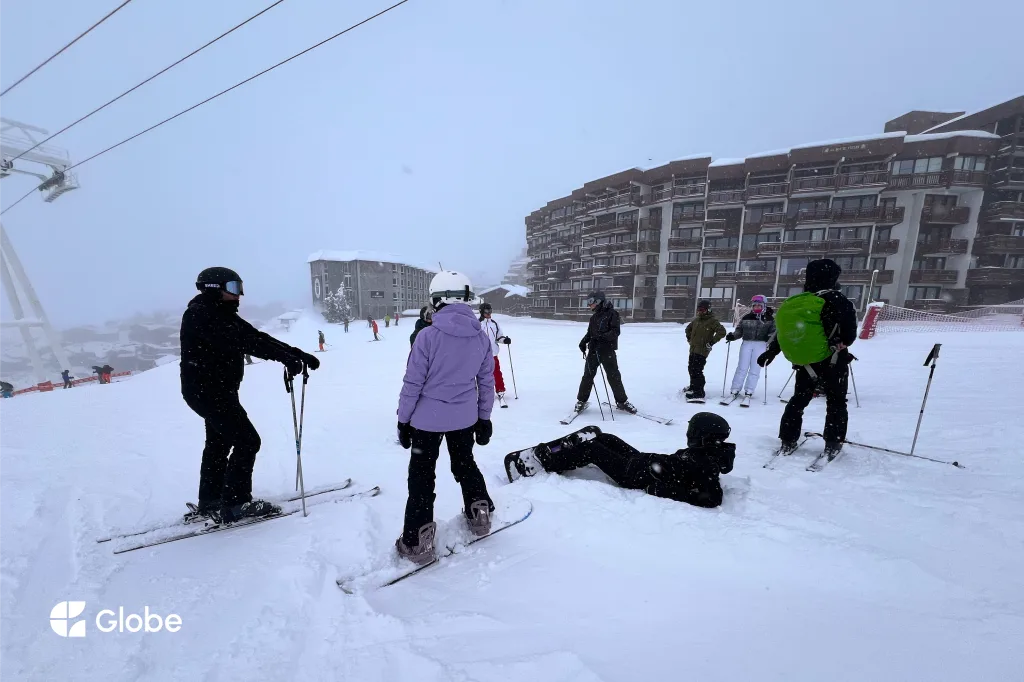
Every winter, we plan a ski and snowboard trip in Europe with our friends. To be honest, it's more my husband's story than mine.
We've done it the expensive way, when group decisions dragged on and prices went up while we waited. We've also found the ways to do it cheaper: cooking instead of eating out, bringing food and drinks from home in Belgium, and sharing cars to split the costs.
After a few seasons of this, we've picked up a thing or two. This article is what we've learned along the way.
On a group ski trip, the price per person isn't really fixed. It changes when someone joins, when someone drops out, and with every week the group spends deciding. The chalet you booked for eight is now split between six. The car you were splitting five ways is now split three ways. The cheaper week is gone because half the group was still checking their calendar.
“On a group trip, the price per person changes every time someone hesitates.
Here's what can help, roughly in the order a group makes its decisions.
Where the money goes
A week of skiing usually adds up like this:
- Accommodation, usually the biggest single cost
- Lift passes
- Gear rental: skis or board, boots, helmet
- Lessons, if anyone in the group is a beginner
- Food and drinks: groceries, lunches on the mountain, après-ski
- Getting there: flights and bus tickets, or fuel and tolls if you drive
- The small stuff: tourist tax, resort parking, ski bag fees on flights
Most of these get cheaper when you plan them as a group, and more expensive the longer you leave them.
How to make a group ski trip in Europe cheaper
1. Pick the right weeks
In Europe, ski prices follow school holidays. And since many countries have their holidays around the same time, some weeks cost more than others. Here's roughly when they fall each year:
| Country | Winter school holiday (roughly) |
|---|---|
| Belgium (Flanders) | Between early February and early March (krokusvakantie) |
| UK (England) | Mid-February (half-term) |
| France | Between early February and early March (by zone) |
| Netherlands | Between mid-February and early March (by region) |
| Germany | Between early February and early March (by state) |
Exact dates change every year, so it's worth checking before you book.
If your group isn't tied to school holidays, skipping February and early March is one of the easiest ways to keep your ski trip in Europe cheap.
What it's like each month in ski season:
- December: early December is quiet and cheaper, but resorts are just opening and snow can be less reliable, so pick a higher resort. Christmas and New Year are among the most expensive weeks of the year.
- January: after New Year, slopes are quieter and prices drop. It's often the best value of the season, just colder, with shorter days.
- February: school holidays across Europe, so this is usually the priciest month.
- March: early March is still busy with the last school holidays. From mid-March it gets quieter and cheaper, with longer, sunnier days. Snow can get soft in the afternoon, and lower resorts may run short on snow by late March.
- April: Easter holidays push prices up again, and many resorts close during April. Mostly an option for high-altitude resorts.
2. Agree on your group's priority first
Some people want après-ski until 2am. Some want a spa and a good book. Some just want the cheapest week possible. All fair. It just helps to know which one your group cares about most before anyone starts browsing, because it changes where you should go.
A quick question in the group chat can save a lot of back and forth: what matters most on this trip? Après-ski, wellness, snow, or price. Then look for the middle ground.
The answer shapes the destination. Well-known resorts usually cost more, and the country makes a difference too: the Post Office Travel Money Ski Report 2026 found Italian resorts dominate the best-value rankings, while Austria and Switzerland are "still the most expensive, with prices in and around double those of the cheapest places" (Post Office). In France, it depends a lot on the resort. France vs Austria vs Italy compares the three on prices, ski areas, food and après-ski.
3. Choose your accommodation wisely
There's a wide range of options, and the price per person changes a lot depending on what you pick:
- Chalet: one shared house, usually the best value for 6 or more people, and everyone stays together
- Self-catered apartment: often the cheapest option, and you get a kitchen (more on that below)
- Hostel or budget lodge: cheap beds, less privacy, fine for a younger group
- Hotel: the most convenient option, and breakfast is often included. You pay per room, though, and usually eat out for other meals
For most groups, one big place beats several separate rooms. The price per person drops, you get a kitchen and a living room, and nobody has to walk across town to find the others.
Location is the other big lever. Ski-in/ski-out is lovely and priced accordingly. Staying in a village a little further from the slopes, where you take a shuttle bus, can be much cheaper. Just know the tradeoff before you book: you'll carry your gear on the bus every morning, lose some time, and the last shuttle may end your après-ski earlier than you'd like. For some groups that's a fair deal, for others it isn't.
It's also worth checking what's included before you compare prices. Bed linen, towels, final cleaning and tourist tax are sometimes extra, and a cheap listing can stop being cheap at checkout.

Globe
Keep dates, bookings and costs in one place instead of a 300-message group chat.
4. Book early, and get everyone to commit
When friends plan a ski trip together, it's common for decisions to take a while and for the accommodation to be booked late. But ski accommodation usually gets more expensive as the season gets closer, especially for school holiday weeks, when popular places can book up months ahead. Last-minute deals do exist, but they mostly suit couples or small groups who are flexible about which resort they go to.
So it's worth agreeing on dates and accommodation as a group as early as you can. Set a deadline, do your research, then book. A clear deadline keeps the plan moving, and once the accommodation is booked, everything else is easier to plan. It also helps to know early who's really coming, because when someone drops out after booking, the price per person goes up for the rest of the group. If getting people to commit is the part your group keeps getting stuck on, splitting the planning into roles usually helps more than chasing everyone yourself.
The same goes for lift passes and gear rental: some resorts and rental shops offer lower prices when you book online in advance.
5. Pick the cheapest way to get there
It mostly depends on how far you live from the mountains.
If the resort is within a day's drive, drive. Fuel and tolls cost the same whether there are two people in the car or five, so every extra passenger makes it cheaper per person. With 5 or more people and ski gear, most groups take two cars. A roof box helps with the skis, and a 9-seat van is another option if you'd rather all travel together. And don't forget winter tyres or snow chains: they're compulsory in French mountain areas from 1 November to 31 March, and forgetting them is a €135 fine (Snowplaza).
If nobody wants to drive, look for a ski bus. Depending on where you live, there may be ski buses that go straight to the resorts. From Belgium and the Netherlands, for example, overnight ski buses run to many resorts in the Alps: you leave in the evening, sleep (sort of) on the way, and arrive in the morning ready to ski, with no fuel, tolls, parking or winter tyres to think about. Tickets are priced per seat, so the saving is in the ticket itself rather than in splitting costs. Book early so the whole group gets seats on the same bus, especially in February.
If you fly, compare the airport bus with a private transfer. Many resorts have bus connections from the nearest airport, and for a small group that's usually the cheaper option. The thing to watch is how the two are priced: a shared transfer is per person (Alps2Alps advertises seats from around £23, with the price depending on the route and the date), while a private minivan is priced per vehicle, so it gets cheaper per head with every extra passenger (Alps2Alps). Somewhere around six people, it's worth getting both quotes before you book.
6. Eat in, and shop before you go up
Resort restaurants add up quickly, especially for a group. Cooking together is one of the easier savings, and with a big group it's often the best part of the evening.
- Do one big supermarket shop in the valley before you drive up, or bring food and drinks from home if you're driving. Shops in the resort charge resort prices. Just don't overload the car: with people and ski gear already on board, extra weight uses more fuel and makes the drive more tiring.
- Set up a shared food kitty for groceries, so nobody spends the week working out who owes whom for pasta.
- Take turns cooking dinner. Two people per night, everyone else does the dishes.

An easier way to make group decisions
Almost every saving above depends on the group deciding something together, on time: agreeing on dates, choosing a priority, booking early, splitting the car, keeping the food kitty fair.
That's usually the hard part, because the plan ends up spread across a group chat that was never built for planning a trip, a spreadsheet one person updates, and three different payment apps.
That's the part Globe is built to help with:
- Proposals: suggest the dates and resorts, and let the group vote instead of debating for weeks
- Expenses: track who paid the chalet deposit, the fuel and the groceries, and split costs fairly, including for the friend who doesn't ski
- To-dos: decide who books the rental, who does the supermarket run and who brings the roof box
- Documents: keep booking confirmations, lift passes and insurance in one place everyone can see
Globe
Track deposits, fuel and groceries in one place, and see who owes what.
FAQ
What is the cheapest time to go skiing in Europe?
January after New Year is usually the best value, followed by early December and mid to late March. The most expensive weeks are Christmas, New Year, and February to early March, when school holidays in the UK, France, Belgium, the Netherlands and Germany overlap.
Is a chalet cheaper than a hotel for a group?
For groups of six or more, usually yes. You pay for one property instead of several rooms, and a kitchen lets you cook instead of eating out for most meals. Always check what's included, like bed linen, cleaning and tourist tax.
Which country is cheapest for skiing in Europe?
Switzerland and Austria are usually the most expensive, Italy and Bulgaria are often the best value, and in France it depends a lot on the resort.
How do you split ski trip costs when some people don't ski?
Split shared costs like accommodation, groceries and transport between everyone, and let each person pay for their own lift pass, rental and lessons. A shared expense tracker makes it easy to see who owes what at the end of the trip. Here's the best way to split costs on a group trip in more detail.
Globe
Plan your next trip with Globe!
Group trips are complicated enough. The planning shouldn't be.
Get Started